

Financial Planning Tips is one of the most valuable skills you can develop early in your career.It can shape your future in many ways. At first, you may not realize this. However, small financial decisions matter a lot. For example, saving or overspending can change your long-term results significantly.
In addition, building strong habits early is very important. It helps you gain stability. Moreover, it gives you more freedom in life later.
Many young professionals struggle with money management. This usually happens because they were never taught financial skills. However, the good news is simple. It is never too late to learn.
Therefore, in this guide, you will learn easy and practical Financial Planning Tips. As a result, you can manage your income better. You can also reduce stress. Most importantly, you can build a secure financial future using proven Personal Finance Tips for Young Professionals.
Financial Planning Tips: What Is Money Management and Why Does It Matter?
Money management means planning your money. It also means organizing and controlling your finances. In addition, it includes budgeting, saving, investing, and smart spending.
In simple words, it means making good financial decisions. These decisions should always match your goals.
Some people think money management is limiting. However, this is not true at all. When you understand your money, you gain control. As a result, you feel more confident. You also stop worrying about bills and surprises.
Moreover, good money management prevents debt. It also helps you stay financially stable. Whether you want to travel or buy a home, everything starts here. It begins with smart Personal Finance Tips for Young Professionals.
Evaluate Your Current Financial Situation
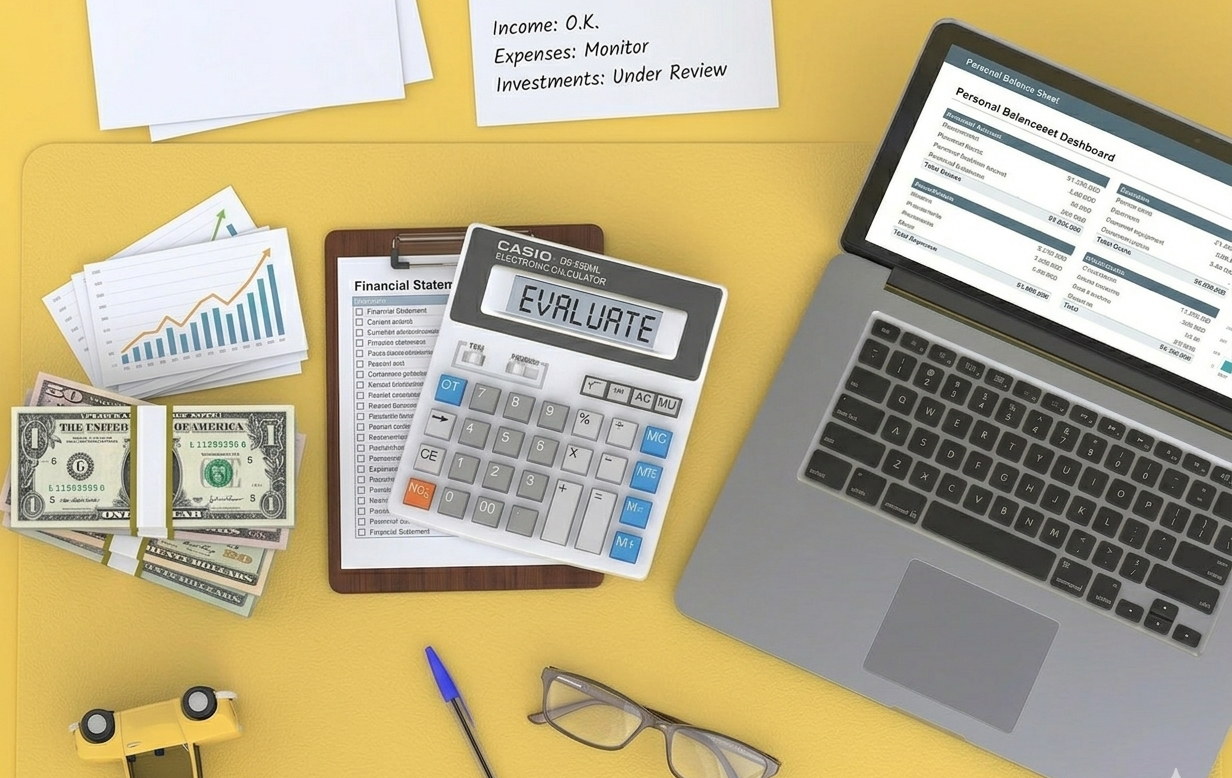
Before you improve your money, you must first understand your situation. Think of it like a financial check-up. Otherwise, you may make wrong decisions.
Therefore, this is one of the most important Financial Planning Tips.
Start with your income. Write down all sources. This can include salary or freelance work. Next, list your monthly expenses. Include rent, food, bills, and entertainment.
In addition, check your debts. This may include student loans or credit cards. It is very important to know how much you owe. Also, check your credit score because it affects your financial options.
Once you understand everything, you will see the full picture. For example, you may notice extra spending. You may also see low savings. As a result, you can apply better debt management strategies.
Financial Planning Tips: Set Clear and Achievable Financial Goals
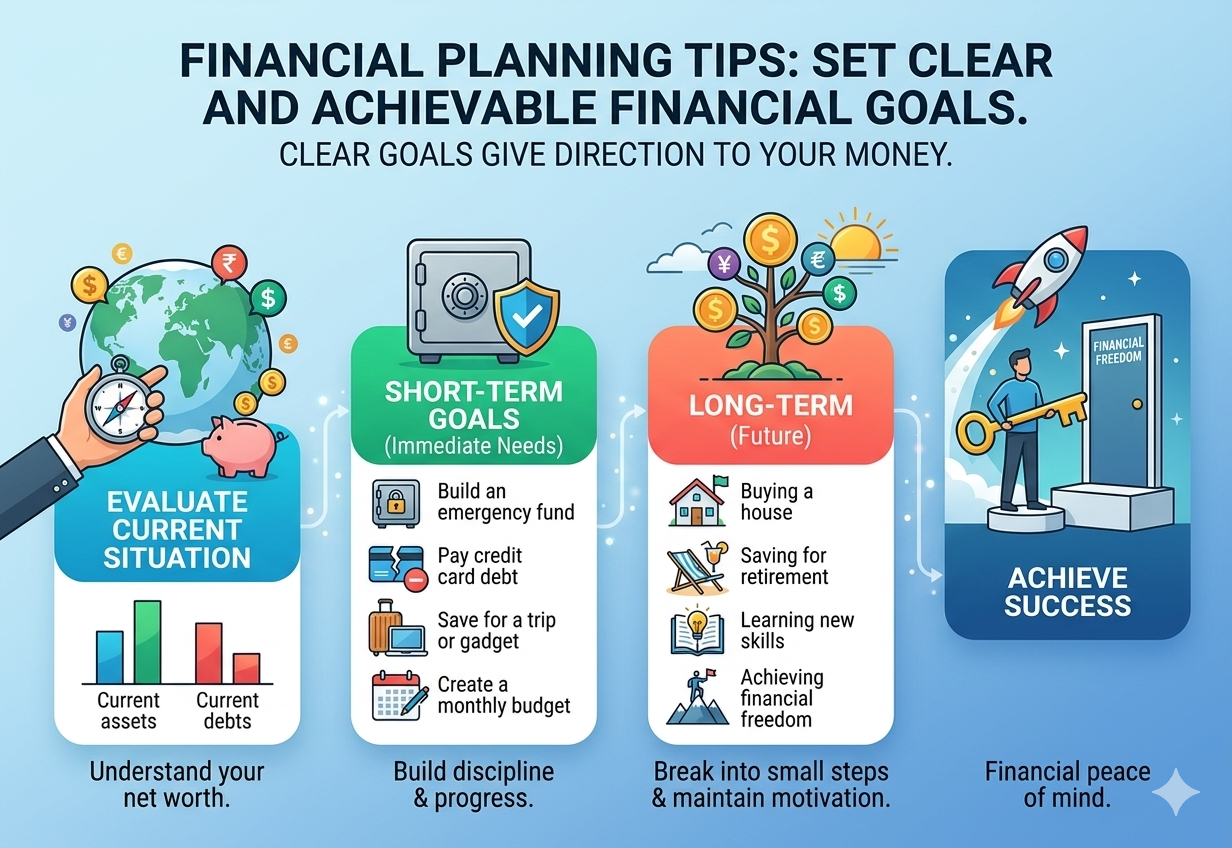
Clear goals give direction to your money. Without goals, spending becomes random.
Therefore, setting goals is very important.
Short-Term Goals
Short-term goals focus on immediate needs.
For example:
- Build an emergency fund
- Pay credit card debt
- Save for a trip or gadget
- Create a monthly budget
In addition, these goals build discipline. They also create steady progress. You can also follow budgeting tips for young adults to stay on track.
Long-Term Goals
Long-term goals focus on your future.
For example:
- Buying a house
- Saving for retirement
- Learning new skills
- Achieving financial freedom
However, these goals take time. So, breaking them into small steps helps a lot. It also improves motivation using investing for beginners strategies.
Financial Planning Tips: Know Your Financial Priorities
Priorities are very important in financial life. Not all expenses are equal.
First, always pay for needs. These include rent, food, and bills. These are essential for survival.
After that, you can focus on wants. You can also save money.
However, many people increase spending when income grows. This is risky. It can lead to stress and debt. Therefore, discipline is very important. It also supports better debt management strategies.
Understand Your Take-Home Pay
Many people make a common mistake. They plan budgets using gross salary. However, this is not correct.
Your take-home pay is what you actually receive. It comes after taxes and deductions.
So, always focus on net income. In addition, this helps you avoid overspending. It also makes planning more accurate. This is a key part of Financial Planning Tips.
Financial Planning Tips: Track Your Spending Habits
Tracking spending is very important. It clearly shows where your money goes.
You can use apps or spreadsheets. You can also use a notebook. Keep it simple.
Moreover, group your expenses. For example:
- Food
- Transport
- Entertainment
This helps you understand patterns. For example, you may notice frequent takeout spending.
As a result, small changes can save money over time. This works very well with budgeting tips for young adults.
Create a Practical Budget That Works
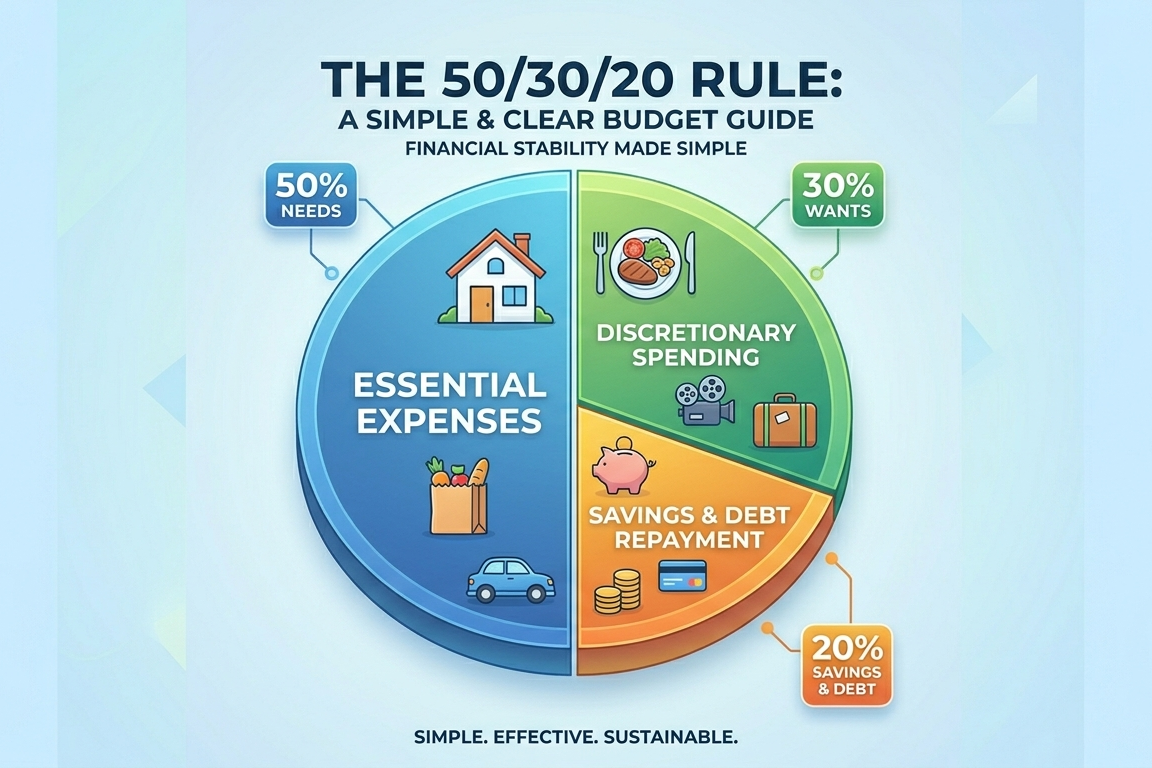
A budget helps you control your money. It shows how to spend and save.
A popular method is the 50/30/20 rule:
- 50% needs
- 30% wants
- 20% savings
However, you can adjust it. Every person is different.
In addition, a budget helps stop overspending. It also builds strong financial discipline. This supports budgeting tips for young adults.
Financial Planning Tips: Build an Emergency Fund for Security
Life is unpredictable. Therefore, emergencies can happen anytime.
An emergency fund is your safety net. It helps during job loss or medical issues. Ideally, you should save 3 to 6 months of expenses.
At first, it may feel difficult. However, small savings every month make a big difference. Over time, it grows steadily.
Also, learning investing for beginners improves your financial strength.
Start Saving and Investing Early
Saving protects your money. However, investing helps it grow.
The earlier you start, the better results you get. This is because of compound growth.
You can invest in:
- Stocks
- Mutual funds
- ETFs
- Retirement plans
If your employer offers a plan, use it. In addition, it helps build long-term wealth.
Improve Your Financial Knowledge
Learning about money is very powerful. It helps you make better decisions.
For example:
- Read books
- Follow blogs
- Listen to podcasts
- Take online courses
As a result, you improve your understanding of Financial Planning Tips.
Financial Planning Tips: Manage and Reduce Debt Wisely
Debt must be managed carefully. Otherwise, it can grow quickly.
Two methods help:
- Snowball method
- Avalanche method
However, consistency is the key. So, avoid unnecessary loans.
In addition, this is where debt management strategies help. They also protect your financial health.
Use Smart Financial Tools and Resources
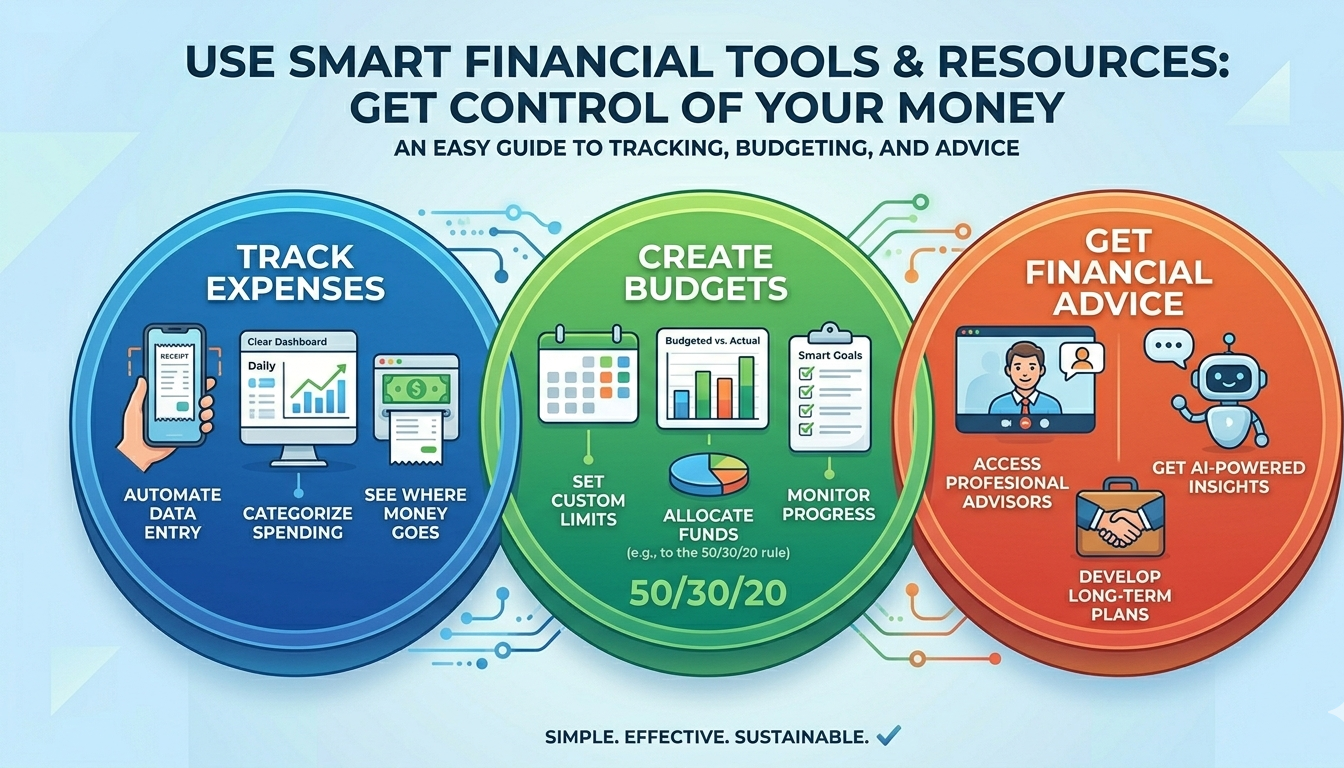
Tools make money management easier. Therefore, they save time and effort.
Platforms like Native Money help you:
- Track expenses
- Create budgets
- Get financial advice
As a result, you stay organized. This improves your Financial Planning Tips journey.
Conclusion
Financial success takes time. However, small steps lead to big results.
By following these Financial Planning Tips, you can improve your financial life. Start with simple actions. First, understand your income. Then, set clear goals. After that, build saving habits.
Over time, everything becomes easier. You gain control and confidence. Ultimately, early action leads to financial freedom and peace of mind.
FAQ
1. What are the 5 C’s of personal finance?
The 5 C’s are Capacity, Capital, Collateral, Credit, and Character. They help evaluate financial strength and borrowing ability.
2. What is the 3-6-9 rule in finance?
It means saving 3 months (basic), 6 months (safe), and 9 months (strong emergency fund).
3. What is the 7-3-2 rule?
It divides income into 70% expenses, 30% savings/investments, sometimes with 20% focused on investing.
4. What is the best financial advice for young people?
Start early, spend less than you earn, avoid debt, save regularly, and invest consistently.